...
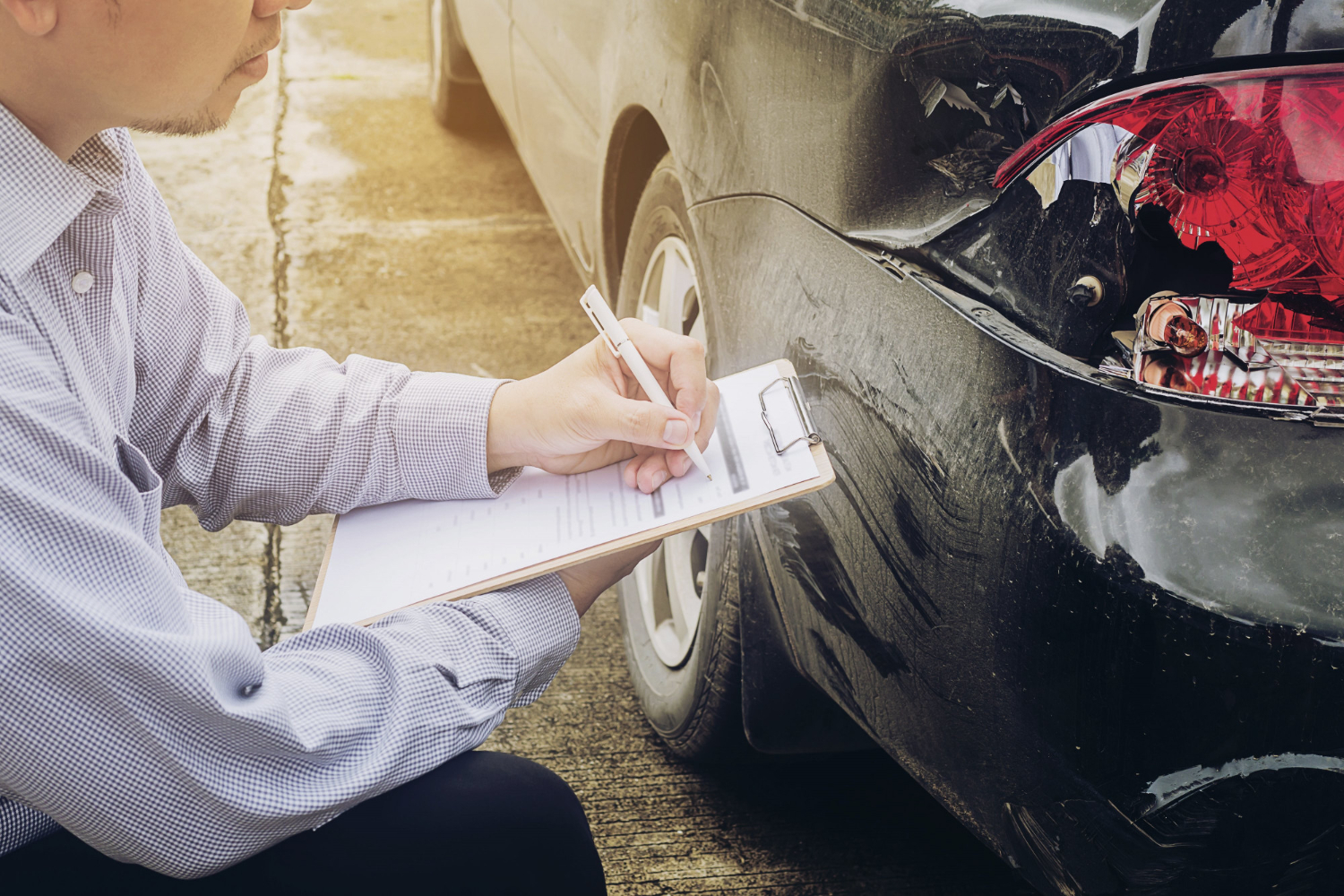
Auto physical-damage claims are the highest-volume work most property and casualty adjusters ever touch. A single mid-size carrier can process hundreds of thousands of collision, comprehensive, and liability property-damage claims in a year, and every one of them lands on the desk of an adjuster who has to answer two deceptively simple questions: what is wrong with this vehicle, and what does the policy owe to make it right? This course is built to make you fluent in both answers. It walks you through the appraisal process end to end — from the first notice of loss and the inspection, through a defensible line-item repair estimate, to the repair-versus-replace decision, the total-loss threshold, actual cash value, and the settlement and salvage mechanics that close the file. The craft of appraisal sits at the intersection of mechanical knowledge, cost data, and contract interpretation. You do not need to be a body-shop technician to be an excellent appraiser, but you do need to understand how vehicles are constructed, how they get damaged, how they get repaired, and how repair labor and parts are priced. Just as importantly, you need to understand the coverage grammar that turns a damage assessment into a payment: what the policy promises, what it excludes, how deductibles and limits apply, and where regulation constrains your discretion. Throughout the course we keep those two threads — the physical and the contractual — braided together, because a technically perfect estimate that ignores coverage is as useless as a generous settlement that pays for damage the policy never covered. A word of caution that runs through every lesson: the rules governing valuation, total-loss thresholds, salvage titling, and disputes are not uniform. They vary substantially from state to state and, within the bounds of law, from carrier to carrier. Some states set a fixed total-loss threshold in statute; others use a total-loss formula; many leave it to carrier judgment. Diminished-value recovery is available in some jurisdictions and barred in others. Because of that, this course teaches you the concepts, the math, and the professional judgment that travel everywhere — and it repeatedly reminds you to confirm the specific rule that applies to your state, your carrier's guidelines, and the policy in front of you before you act.
Who this course is for:
This course is written for adjusters who handle auto physical-damage claims and want to work with more confidence and consistency. It is a Core-level course in the Insurance Adjusting & CAT Claims track. • New auto adjusters who can navigate a claim system but want to understand the reasoning behind estimates and total-loss decisions. • Property adjusters or CAT adjusters cross-training into auto physical damage. • Independent and staff appraisers who write estimates and want a stronger command of ACV, thresholds, and salvage. • Claims support, examiners, and team leads who review auto files and need shared vocabulary with the appraisers they oversee. • Experienced adjusters preparing for licensing, carrier certification, or a move into total-loss or special-investigations work.
What you'll be able to do:
✔ Explain the auto physical-damage claim lifecycle and where appraisal fits, from first notice of loss to settlement. ✔ Inspect a damaged vehicle systematically and translate observed damage into a structured, line-item repair estimate. ✔ Price parts and labor correctly, distinguish OEM, aftermarket, and recycled parts, and account for paint, refinish, and structural operations. ✔ Make and defend the repair-versus-replace decision at the part level and the repair-versus-total-loss decision at the vehicle level. ✔ Apply a total-loss threshold or total-loss formula and understand how your state and carrier define the tipping point. ✔ Determine actual cash value using recognized valuation methods and adjust for condition, mileage, options, and prior damage. ✔ Manage the total-loss process: settlement math, owner-retained salvage, lienholder payoffs, title branding, and salvage disposal. ✔ Handle special issues — prior damage, betterment, diminished value, and coverage or valuation disputes — professionally and defensibly.
Curriculum
-
-
Lesson 1 — Auto Claims and the Appraisal Process Free preview
-
(Included in full purchase)
Lesson 2 — Assessing Damage and Writing the Repair Estimate
-
(Included in full purchase)
Lesson 3 — Repairable vs. Total Loss and the Threshold
-
(Included in full purchase)
Lesson 4 — Actual Cash Value and Vehicle Valuation
-
(Included in full purchase)
Lesson 5 — The Total-Loss Process: Settlement, Title, and Salvage
-
(Included in full purchase)
Lesson 6 — Special Issues: Prior Damage, Betterment, Diminished Value, and Disputes
-
(Included in full purchase)
COMPLETION QUIZ
-