...
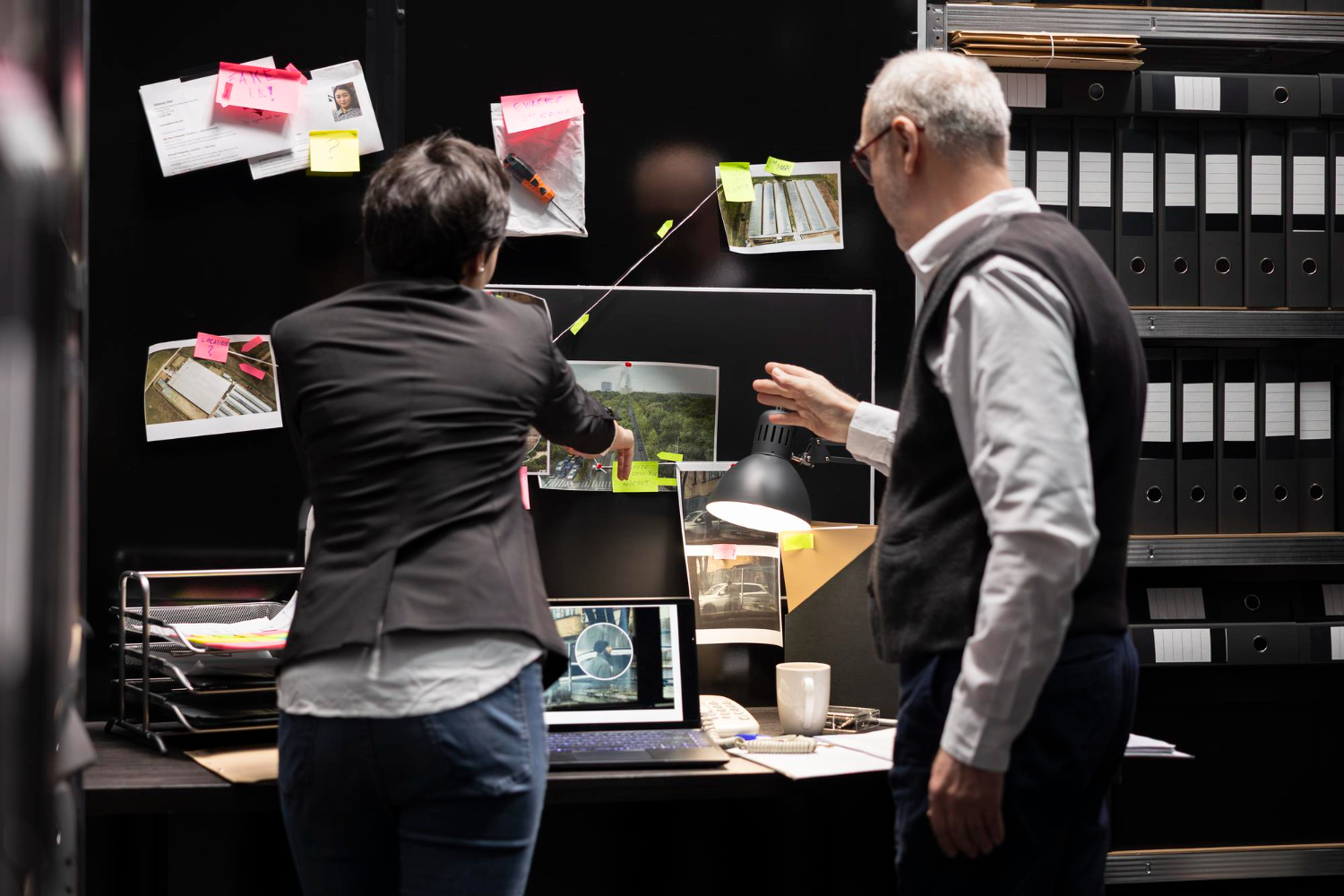
Most of what determines a claim outcome is decided in the first few hours on scene — before the adjuster's report is written, before the expert is retained, before the file lands in litigation. The scene is a perishable source of truth. Debris gets cleared, vehicles get towed, water dries, memories drift, and a loss location that could have answered every question quietly stops talking. This course is about getting the answers while the scene is still willing to give them. It is built for investigators who already handle claims and now need to work physical loss sites with rigor — auto, property, fire, and water — the way a seasoned field investigator or SIU examiner does. You'll learn how to arrive, control access, and stay safe; how to document a scene so completely that you never need to go back; how to read the physical evidence in a collision or a structural loss; and how to work alongside reconstructionists, origin-and-cause experts, and engineers without stepping on their findings or your own. The emphasis throughout is on defensible work product. Everything you do on scene may be reviewed by opposing counsel, a licensing regulator, or a jury. We treat that scrutiny as the baseline standard, not the exception. You will finish able to run a scene investigation that holds up long after the scene itself is gone.
Who this course is for:
• Claims adjusters and investigators moving from desk or estimate work into field scene investigation. • SIU investigators who need stronger physical-evidence and reconstruction fundamentals. • Independent adjusters and cat-response staff who arrive early to complex losses. • Experienced examiners who want a repeatable, defensible scene methodology rather than habit. • Anyone preparing for the Eximious Certified Claims Investigator (ECCI) designation. This is an advanced course. We assume you already understand coverage basics, claim handling, and the difference between a claim investigation and an adjustment. We do not spend time on those fundamentals here.
What you'll be able to do:
✔ Arrive at any loss scene and establish safety, legal access, and control before touching anything. ✔ Produce photographic, video, and written documentation complete enough to reconstruct the scene months later. ✔ Read the physical evidence in an auto loss and speak the language of accident reconstruction. ✔ Recognize the fundamental fire, water, and structural loss patterns that point toward cause and sequence. ✔ Identify, preserve, and hand off physical evidence without breaking chain of custody or spoliation rules. ✔ Scope, retain, and coordinate the right experts — and know where your role ends and theirs begins. ✔ Create accurate scene sketches, maps, and measurements that stand on their own in a file or a courtroom.
Curriculum
-
-
Lesson 1 — First on Scene: Safety, Access & Control Free preview
-
(Included in full purchase)
Lesson 2 — Systematic Scene Documentation
-
(Included in full purchase)
Lesson 3 — Auto Loss & Accident Reconstruction Basics
-
(Included in full purchase)
Lesson 4 — Property, Fire & Water Loss Fundamentals
-
(Included in full purchase)
Lesson 5 — Origin, Cause & Preserving Physical Evidence
-
(Included in full purchase)
Lesson 6 — Working With Experts & Specialists
-
(Included in full purchase)
Lesson 7 — Sketching, Mapping & Measurements
-
(Included in full purchase)
Lesson 8 — Case Study: Reconstructing a Disputed Loss
-
(Included in full purchase)
COMPLETION QUIZ
-