...
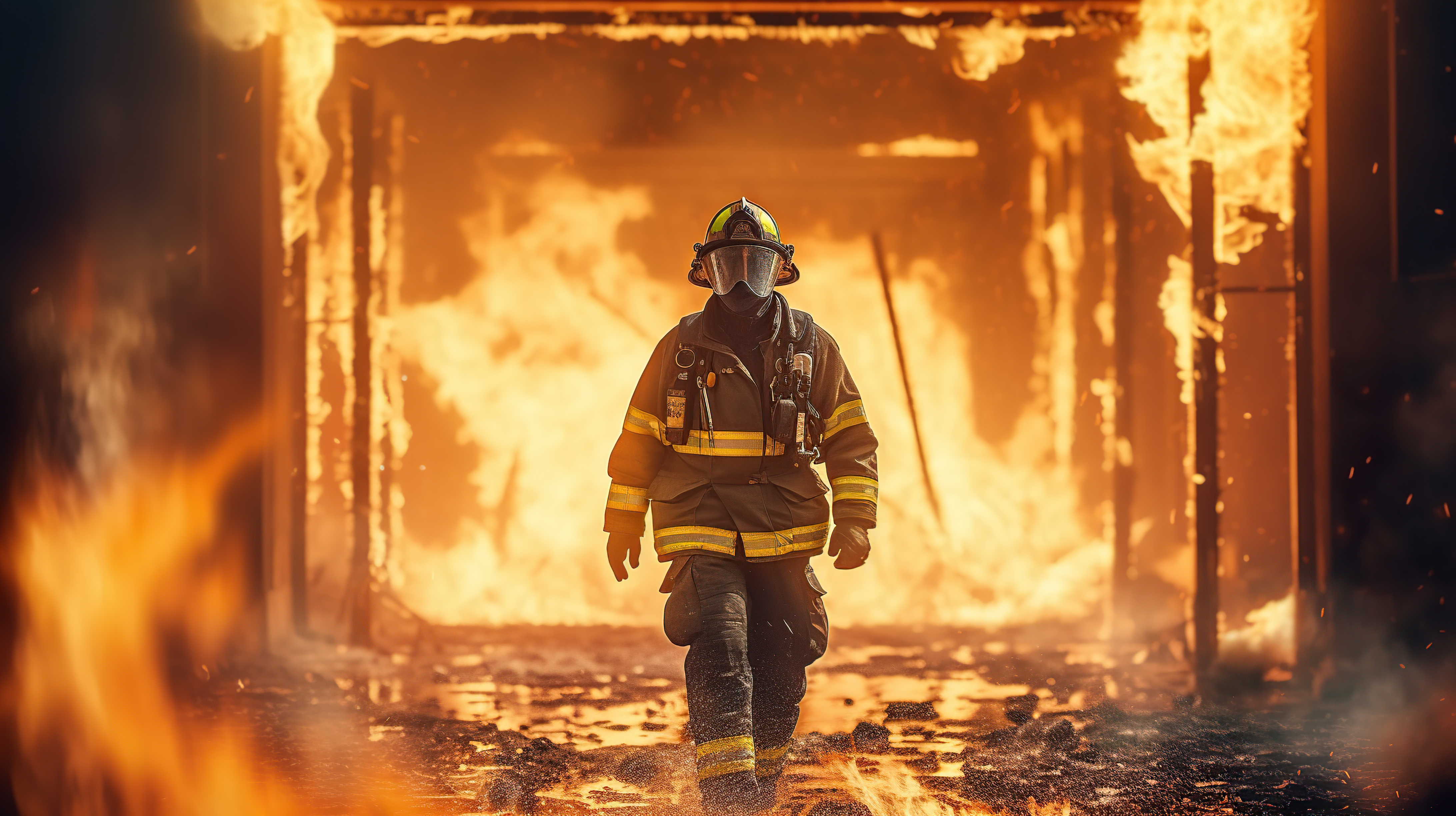
A fire claim is not one claim. It is a property-damage claim, a cause-and-origin investigation, a potential fraud file, and — in a meaningful minority of cases — a quiet criminal matter running in parallel to yours, all bundled into a single loss that arrives on your desk as a burned building and a distraught insured. The adjuster who treats every fire as a covered accidental loss overpays the ones that were set, mishandles the ones that were not, and — because the wrong instincts cut both ways — sometimes wrongly casts suspicion on an honest insured who has just lost everything. Fire is where sloppy investigation is most expensive and most dangerous in both directions. This course is built for practitioners who already handle first-party property claims and want to move into fire — the higher-exposure, more technical, more adversarial end of the property book. It is written-first and worked-example driven. You will not find theory about combustion chemistry you will never use. You will find the questions to ask, the physical evidence to preserve, the scene protocol to follow, the documents to demand, the officials to work with, and the fraud patterns that recur across fire files — along with the discipline to keep an open mind until the evidence closes it. A recurring theme runs through every lesson: a fire scene is destroyed twice — once by the fire and once by the response to it, and everything you will ever be able to prove is decided in the first days. Overhaul by the fire department disturbs the burn patterns. Rain and weather collapse the char. The structure gets demolished as a safety hazard. The insured's memory of what was in the building, and where they were, hardens into a settled account within a week. The investigator who moves early — and who knows exactly what to move on and how to preserve it without spoiling it — controls the file. The one who waits inherits ashes and a story. A note on scope and law: coverage terms, the arson defense, the burden and standard of proof for arson, examination-under-oath rights, spoliation doctrine, and the interplay between your civil investigation and a criminal one all vary by state and by policy form. This is professional training, not legal advice, and it never reaches a definitive legal conclusion on your behalf. Throughout, where a rule depends on jurisdiction, policy language, or the posture of a parallel criminal case, we flag it. Always confirm the governing law and your policy's terms with counsel before acting.
Who this course is for:
• Property claims adjusters ready to take on fire losses and suspected-arson files. • Field and desk investigators who build cause, coverage, and fraud on fire claims. • SIU (Special Investigations Unit) personnel working arson-for-profit and fire fraud. • Large-loss and litigation adjusters managing counsel, experts, and EUOs on high-exposure fire claims. • Claims supervisors who need a common standard for how their teams investigate fire. This is an Advanced course. We assume you already understand first-party property coverage, the concepts of a recorded statement and a proof of loss, and basic claim handling. We build from there into cause-and-origin, the arson defense, and the examination under oath.
What you'll be able to do:
✔ Triage a new fire loss and immediately identify the accidental-versus-incendiary question, the coverage posture, and the perishable evidence and preservation duties already running. ✔ Run — and know the limits of — a proper origin-and-cause scene investigation, reading burn and char patterns and directing a qualified cause-and-origin expert. ✔ Distinguish electrical, accidental, and incendiary indicators, and recognize spoliation risk before you or a vendor creates it. ✔ Take a fire recorded statement that anchors occupancy, contents, opportunity, and timeline, and prepare and use an Examination Under Oath. ✔ Work first responders, the fire marshal, and law enforcement, and use NFIRS and cause-determination reports without being trapped by their evidentiary limits. ✔ Secure the full fire document set: sworn proof of loss, contents inventory, financial-condition records, prior-loss history, and utility and alarm/monitoring data. ✔ Analyze the arson defense — motive, opportunity, and incendiary cause — apply material-misrepresentation and concealment principles, and refer and resolve within your SIU protocol and the governing law.
Curriculum
-
-
Lesson 1 — The Fire Claim Landscape Free preview
-
(Included in full purchase)
Lesson 2 — The Fire Scene & Physical Evidence
-
(Included in full purchase)
Lesson 3 — Statements & the Insured
-
(Included in full purchase)
Lesson 4 — Witnesses, Fire Officials & Law Enforcement
-
(Included in full purchase)
Lesson 5 — Documents to Secure
-
(Included in full purchase)
Lesson 6 — Coverage, the Arson Defense & Fraud
-
(Included in full purchase)
COMPLETION QUIZ
-