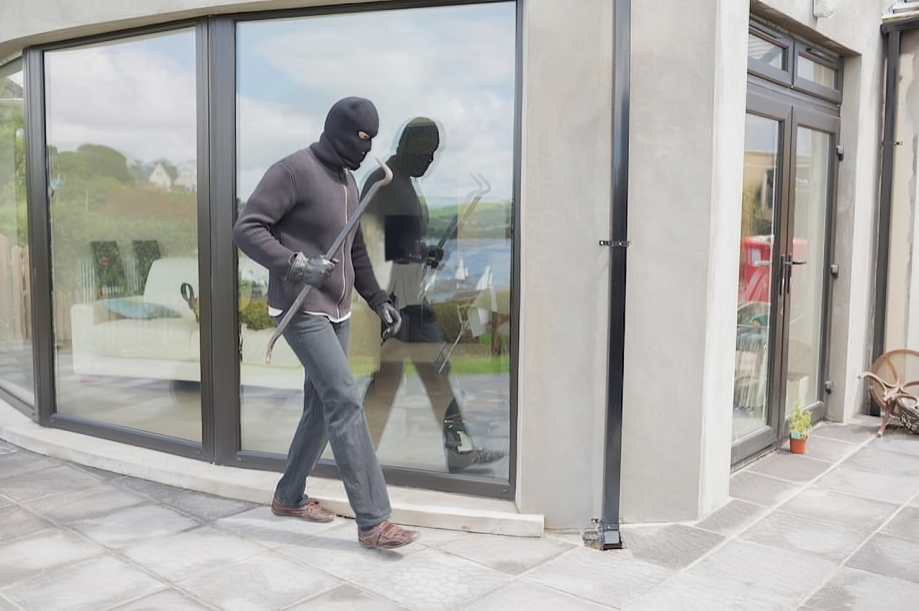
...
Theft claims look simple on the First Notice of Loss and are anything but. A stolen watch, a broken-in garage, a cleaned-out cash drawer, a bookkeeper who quietly moved money for three years — each arrives as a short narrative and a number, and each demands a different investigation, a different document set, and a different coverage grant. The word "theft" hides a family of distinct perils, and the difference between them decides whether the loss is covered, what the insured must prove, and where the fraud hides. The adjuster who treats a burglary, a mysterious disappearance, and an employee-dishonesty loss as one kind of claim will pay claims that policy language never reached and miss the recurring signatures of loss buildup and staged theft. This course is built for practitioners who already handle first-party property files and want to move into the more technical, more adversarial territory of theft, burglary, robbery, and fidelity or crime coverage. It is written-first and worked-example driven. You will not find abstract theory here. You will find the questions to ask, the physical evidence to read, the statements and examinations under oath to take, the documents to demand, and the fraud patterns that recur across theft and employee-dishonesty files. A recurring theme runs through every lesson: a theft loss is a claimed loss until the insured proves it, and your investigation is the test of that proof. In most first-party property perils, the fire or the storm announces itself — the damage is visible, undeniable, and shared by the neighborhood. Theft is different. Property that is simply gone leaves an absence, not evidence, and the insured's account is often the only narrative of what happened. That places the burden of proof squarely on the insured to establish ownership, value, and that a covered peril actually occurred — and it places on you the obligation to test that proof fairly, thoroughly, and without prejudging the honest claimant, who is the majority. The discipline is to verify, not to assume, in either direction. A note on scope and law: coverage grants, exclusions, the definition of "burglary" and "robbery," the treatment of mysterious disappearance, the insured's cooperation and examination-under-oath duties, proof-of-loss deadlines, and the standards for a fraud or misrepresentation denial all vary by state and by policy form. This course teaches an investigative method; it is not legal advice and does not state the law of any jurisdiction. Throughout, where a rule depends on the policy language or the governing state, we flag it. Read the policy on the file, and confirm the governing law with counsel before acting on it.
Who this course is for:
• Property claims adjusters ready to take on theft, burglary, and crime/fidelity files. • Field and desk investigators who build ownership, value, and cause-of-loss on theft claims. • SIU (Special Investigations Unit) personnel working staged-theft and inflated-inventory fraud. • Commercial-lines and crime/fidelity specialists handling employee-dishonesty and loss-of-money claims. • Claims supervisors who need a common standard for how their teams investigate theft losses. This is an Advanced course. We assume you already understand first-party property coverage basics, the difference between coverage and proof of loss, and how to conduct a recorded statement. We build from there into the theft-specific investigation.
What you'll be able to do:
✔ Triage a new theft report and identify which peril is actually claimed — burglary, robbery, theft, mysterious disappearance, or employee dishonesty — and route the investigation accordingly. ✔ Read a claimed break-in scene: point and method of entry, forced-entry versus staged indicators, and the physical story the scene tells. ✔ Identify and preserve alarm, access-control, and security-system evidence before it is overwritten or lost. ✔ Take a theft recorded statement and, where warranted, conduct or support an examination under oath that anchors ownership, opportunity, access, and timeline. ✔ Test proof of ownership and value against receipts, appraisals, photographs, and financial condition, and reconcile a claimed inventory. ✔ Work witnesses, police, and recovered-property channels, and obtain alarm-company, access-control, and employment records. ✔ Secure the full document set — sworn proof of loss, ownership and value proof, financial and prior-loss records, and the accounting records that prove employee dishonesty. ✔ Analyze the insured's burden of proof, apply mysterious-disappearance and other limitations, recognize inflated and phantom inventory, build an employee-dishonesty case, and handle SIU referral and resolution correctly.
Curriculum
-
-
Lesson 1 — The Theft Claim Landscape Free preview
-
(Included in full purchase)
Lesson 2 — The Scene & Physical Evidence
-
(Included in full purchase)
Lesson 3 — Statements & the Insured
-
(Included in full purchase)
Lesson 4 — Witnesses, Police & Records
-
(Included in full purchase)
Lesson 5 — Documents to Secure
-
(Included in full purchase)
Lesson 6 — Coverage, Exclusions & Fraud
-
(Included in full purchase)
COMPLETION QUIZ
-