...
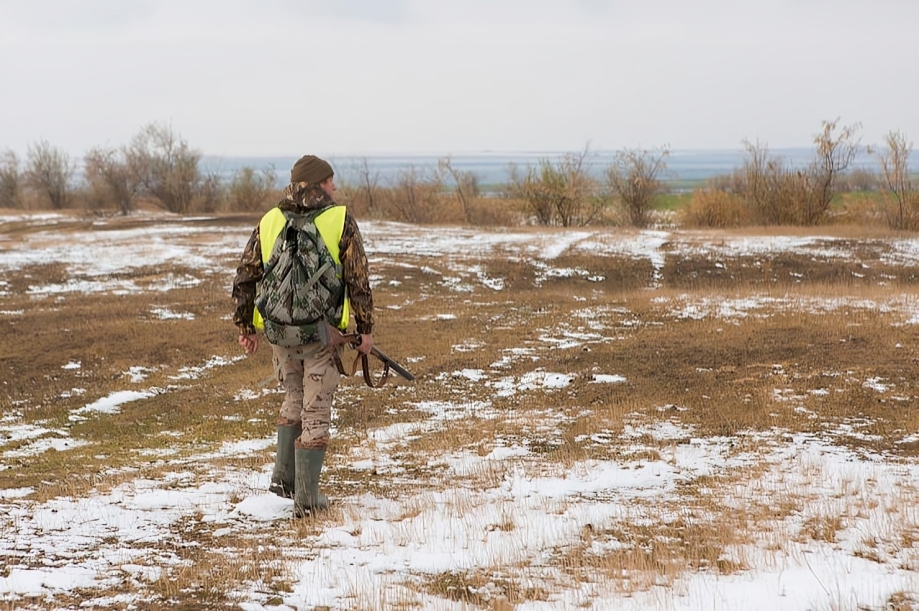
Catastrophe claims work is a different profession from the desk-adjusting job that shares its name. When a hurricane, wildfire, hail swarm, flood, tornado, or ice storm turns thousands of homes into claims overnight, the industry surges people into a disaster zone to inspect, scope, estimate, and pay those losses under conditions that no ordinary claim ever presents: no power, no lodging, no cell service, damaged roads, exhausted and frightened policyholders, and a file count that would take a normal desk a year to clear and that a CAT deployment is expected to clear in weeks. The work is physically demanding, logistically brutal, and financially significant — a strong deployment can pay a season's income, and a bad one can end a career or put you in a hospital. This course is about doing it well, doing it safely, and doing it in a way that gets you invited back. This is a written-first, field-realistic course for adjusters moving into catastrophe deployment. It does not romanticize the work and it does not pretend the grind away. You will learn how the CAT ecosystem actually functions — who deploys whom, how rosters and independent adjusting (IA) firms work, how licensing and emergency licensing let you cross state lines legally — and then how to prepare, mobilize, work a damaged site without getting hurt, scope and estimate at volume, handle traumatized policyholders and the contractors and public adjusters around them, and close files clean enough to survive a reinspection. Every lesson is built around what actually happens in the field, not the tidy version. A single theme runs through all six lessons: in catastrophe work, speed and volume are the entire job — and they are also the thing most likely to hurt you, burn you out, or get you rolled off the roster; the adjuster who lasts is the one who never trades away safety or file quality to go faster. The pressure to produce is relentless and it comes from every direction at once — the carrier wants files closed, the IA firm wants your production up, the policyholder wants a check, and your own paycheck rides on volume. That pressure is real and you should respect it. But the same pressure is what pushes tired people onto storm-damaged roofs, past skipped safety checks, and into sloppy files that come back on reinspection. Learning to move fast without cutting the corners that matter is the whole craft. A note on scope, safety, and law. This is professional training, not legal advice and not a safety certification. Licensing, emergency and temporary licensing, and reciprocity rules vary by state and change from event to event; flood claims under the National Flood Insurance Program (NFIP) operate under their own federal rules and their own adjuster requirements; and the safety guidance here is general and educational — it is not a substitute for OSHA standards, official incident-command safety protocols, or the specific safety instructions of the carrier or IA firm you deploy for. Throughout, where a rule depends on jurisdiction, program, or the specific event, we flag it. Confirm the governing requirement before you rely on it.
Who this course is for:
• Licensed adjusters ready to add catastrophe deployment to daily-claims or desk experience. • Independent adjusters building toward roster placement with IA firms and carrier CAT teams. • Staff adjusters whose carriers deploy them internally to catastrophe zones. • Experienced field adjusters who want a disciplined, safety-forward system for working at volume. • Claims supervisors and file examiners who manage, mentor, or reinspect deployed CAT adjusters. This is an Advanced course. We assume you already hold or can obtain an adjuster license, understand basic property claim handling and residential construction terms, and can read a policy and a scope. We build from there into the specific realities of working losses in the field after a disaster.
What you'll be able to do:
✔ Identify the major catastrophe event types, the losses each one generates, and how that changes what you inspect and how you scope it. ✔ Explain the CAT-adjuster ecosystem — staff, independent, IA firms, rosters, and deployment tiers — and position yourself within it. ✔ Navigate licensing, reciprocity, and emergency or temporary licensing so you can legally work a given state and event. ✔ Be genuinely ready for a deployment call: gear staged, credentials current, logistics planned, and able to say yes and roll within hours. ✔ Work a disaster-damaged site with disciplined hazard awareness — structural, electrical, water, mold, animal, and air-quality risks — and know when not to enter. ✔ Produce rapid, accurate, well-documented scopes and estimates at high volume using industry estimating platforms and price lists. ✔ Handle traumatized and displaced policyholders with empathy and professionalism, and manage public adjusters and contractors constructively. ✔ Recognize catastrophe-specific fraud and exaggeration, close files that survive reinspection, understand how you get paid, and build a durable roster reputation and CAT career.
Curriculum
-
-
Lesson 1 — The CAT Landscape & Getting Deployed Free preview
-
(Included in full purchase)
Lesson 2 — Preparation & Mobilization
-
(Included in full purchase)
Lesson 3 — Working the CAT Scene Safely
-
(Included in full purchase)
Lesson 4 — Scoping & Estimating at Volume
-
(Included in full purchase)
Lesson 5 — Claimants, Communities & Conduct in Disaster
-
(Included in full purchase)
Lesson 6 — Closing Out & Building a CAT Career
-
(Included in full purchase)
COMPLETION QUIZ
-